How Climate Tech Is Changing Energy Regulations
Global Markets
Climate tech energy regulations are reshaping how power is produced, sold, and controlled. Around the world, governments are rewriting energy laws because new technology now makes cleaner, safer energy possible at scale.
For beginners, the big question is simple. Why are energy rules changing so fast, and how is climate-focused technology driving those changes across power companies, governments, and households.
What Climate Tech Means In Modern Energy Systems
Climate technology refers to tools and systems designed to reduce emissions, improve energy efficiency, and support cleaner power sources. This includes renewable energy systems, digital monitoring tools, and smart infrastructure.
Unlike older energy tools, climate technology focuses on prevention rather than cleanup. It helps reduce pollution before damage happens. Because these tools provide clear data and measurable results, regulators now rely on them when shaping energy regulations.
As climate technology spreads, lawmakers can no longer rely on outdated rules written for fossil fuel systems. Climate tech energy regulations now evolve alongside innovation.

Why Energy Regulations Are Changing Right Now
Energy regulations are shifting due to growing environmental pressure. Rising emissions, climate risks, and unstable fuel markets force governments to act quickly.
Technology has removed many old excuses. Clean power is no longer experimental. Climate technology proves that low-emission energy is reliable, scalable, and affordable.
Public demand also plays a role. Consumers want cleaner power and transparency. This pressure pushes lawmakers to update energy regulations that match modern expectations and available tools.
How Climate Tech Is Changing Energy Regulations
Emissions Monitoring And Reporting Technologies
Advanced sensors and software now track emissions in real time. Power plants and factories can no longer hide pollution levels.
Because data is accurate and continuous, energy regulations now demand stricter reporting. Carbon limits are easier to enforce when emissions are visible. Climate tech energy regulations rely heavily on these monitoring tools to ensure compliance.
Renewable Energy Technologies Driving New Rules
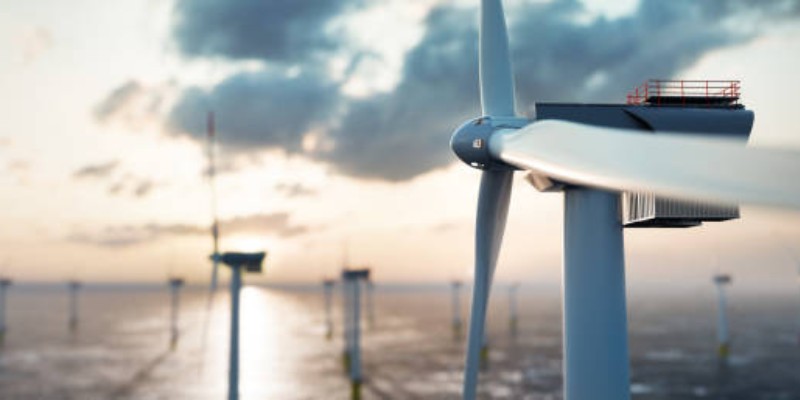
Solar, wind, and battery storage are forcing changes in grid rules. Energy regulations now prioritize clean energy access over fossil fuel dominance.
Climate technology allows renewables to integrate smoothly into national grids. As a result, clean energy policy increasingly favors renewable projects through faster approvals and clearer standards.
Smart Grids And Digital Energy Management
Smart grids use data to balance energy demand and supply. This technology reshapes how utilities operate.
Energy regulations now include digital security standards, data protection rules, and consumer rights related to smart meters. Climate technology makes these systems possible, and laws evolve to control them safely.
Climate Tech And Carbon Regulation
Carbon regulation depends on measurement. Climate technology provides precise tracking tools that support carbon taxes and emissions trading systems.
When emissions can be verified digitally, governments gain confidence in enforcement. This leads to stricter carbon regulation without relying on estimates or self-reporting.
Climate tech energy regulations also improve transparency. Public reporting systems reduce fraud and increase trust in carbon markets.
How Governments Use Climate Tech To Enforce Energy Laws
Governments now use automated systems to monitor compliance. Digital audits replace manual inspections.

Remote monitoring allows regulators to oversee facilities without constant site visits. Climate technology reduces loopholes and improves enforcement speed.
Energy regulations supported by real-time data are harder to ignore. This shift strengthens trust in regulatory systems and reduces corruption risks.
Impact Of Climate Tech Regulations On Energy Companies
Effects On Fossil Fuel And Traditional Power Firms
Traditional energy companies face higher compliance costs. Reporting requirements increase, and pollution penalties become harder to avoid.
Energy regulations increasingly discourage long-term fossil fuel investments. Climate tech energy regulations push companies to modernize or phase out polluting assets.
Opportunities For Clean Energy And Climate Tech Startups
Startups benefit from a supportive clean energy policy. Governments design rules that encourage innovation and pilot programs.
Climate technology companies often receive regulatory fast-tracking. Clear standards reduce uncertainty and attract investment into clean energy solutions.
How Climate Tech Is Changing Energy Regulations For Consumers
Consumers see cleaner electricity standards and more efficient appliances. Energy regulations now promote lower household emissions.
Smart meters introduce data rights protections. Climate technology requires rules that protect consumer privacy while improving efficiency.
Over time, climate tech energy regulations help reduce energy waste and stabilize prices for households.
Global Differences In Climate Tech Energy Regulations
Developed Economies And Advanced Climate Policies
Wealthier countries adopt stricter energy regulations faster. Advanced climate technology supports detailed monitoring and enforcement.
Clean energy policy in these regions focuses on rapid decarbonization and grid modernization.
Developing Regions And Emerging Climate Tech Rules
Developing regions adopt climate technology gradually. Energy regulations balance clean goals with affordability and access.
Climate tech energy regulations here often focus on off-grid solar, energy access, and basic emissions controls.
Challenges Slowing Climate Tech–Driven Energy Regulations
High costs slow adoption in some areas. Not all governments can deploy advanced climate technology immediately.
Legacy energy industries resist change. Political pressure can delay stronger energy regulations.
Lawmakers also struggle to keep pace with innovation. Climate technology often moves faster than legal frameworks.
What The Future Of Energy Regulation Looks Like With Climate Tech
Future energy regulations will rely more on predictive data. Artificial intelligence may guide compliance and forecasting.
Climate technology will enable faster updates to clean energy policy. Laws will adapt in real time rather than over decades.
Carbon regulation will likely expand as tracking tools improve. Climate tech energy regulations will continue shaping global power systems.

How Climate Tech Is Changing Energy Regulations Moving Forward
Climate tech energy regulations are redefining how energy systems operate. Technology has made cleaner power measurable, enforceable, and scalable.
As climate technology advances, energy regulations will continue to tighten. Clean energy policy and carbon regulation will remain central to future energy laws.
Trusted institutions support this direction, including insights reflected in global energy analysis shared through international energy research platforms, policy guidance discussed across global economic cooperation networks, and regulatory trends observed in national energy governance frameworks.
Sources
Share this article:
Recommended For You






ADVERTISEMENT